
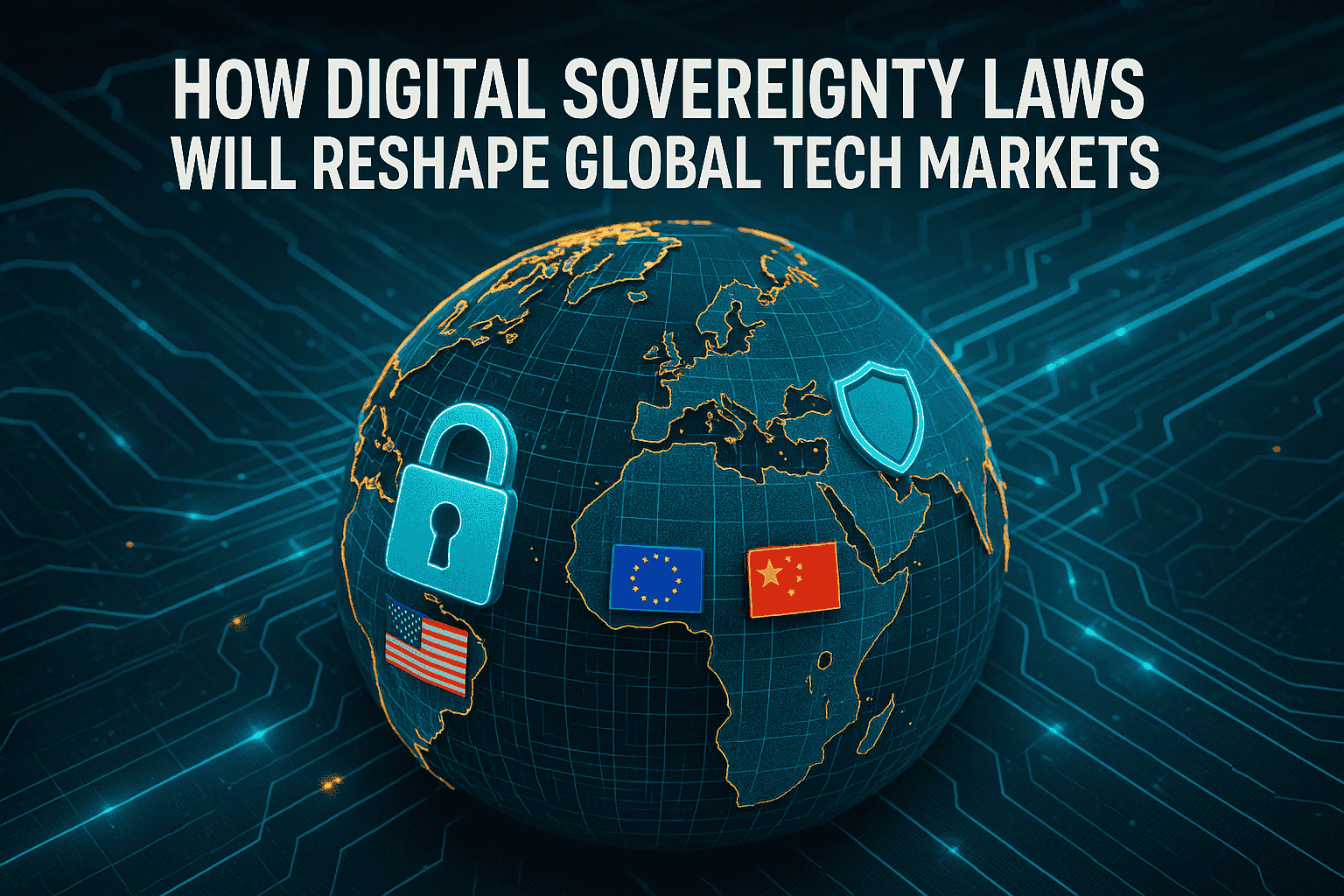
How Digital Sovereignty Laws Will Reshape Global Tech Markets
The conversation about how digital sovereignty laws will reshape global tech markets is one of the most important debates of our time. As technology becomes the backbone of economies, governments around the world are asserting stronger control over data, infrastructure, and digital services. This growing wave of how digital sovereignty policies is not only changing national regulatory landscapes but also redefining how global businesses operate, compete, and innovate.
In cities like Mumbai, where technology-driven economies thrive on global connectivity, the implications of how digital sovereignty laws will reshape global tech markets are both immediate and long-term. Nations are increasingly recognizing that digital assets—data, algorithms, cloud services, and communications infrastructure—are not just tools for growth, but strategic resources that must be safeguarded in the same way as oil, trade routes, or defense systems.
The Significance of How Digital Sovereignty Is Emerging Globally
The rise of digital sovereignty is not an isolated trend but a systemic shift in how governments perceive the digital economy. The motivations behind these laws stem from several interlinked concerns:
- Data Privacy and Citizen Protection
Citizens generate unprecedented amounts of data every day, from online shopping to healthcare information. Governments are enacting stricter data protection measures to ensure that such data is not misused by foreign companies or exposed to international vulnerabilities. - National Security
Digital platforms are integral to everything from defense communication to financial stability. How digital sovereignty is enforced often reflects concerns about external control over sensitive systems and infrastructure. - Economic Independence
Reliance on a few multinational corporations, particularly in cloud services, creates dependencies that many countries see as risky. By building domestic infrastructure and enforcing data localization, countries hope to reduce reliance on foreign providers and stimulate local innovation. - Geopolitical Influence
Nations are using digital sovereignty as a way to strengthen their bargaining power on the international stage, particularly in trade and cybersecurity negotiations.
These motivations reveal why how digital sovereignty laws will reshape global tech markets is becoming a central issue across continents.
Case Studies: Different Models of Digital Sovereignty
The European Union: A Framework for Privacy and Competition
The European Union has led the global charge with the GDPR, a landmark regulation that established strict rules on data collection, consent, and transfer. The GDPR demonstrated how how digital sovereignty laws will reshape global tech markets by forcing global companies—whether based in Mumbai, New York, or Beijing—to comply with European standards. The EU has since expanded its vision with the Digital Services Act (DSA) and Digital Markets Act (DMA), which collectively regulate online platforms, competition, and accountability.
China: Strategic Control Through Cybersecurity Laws
China has taken a state-centric approach to digital sovereignty. Its cybersecurity laws demand that data generated within the country remain within its borders. Multinational companies must establish local partnerships or infrastructure to continue operating. This model reflects how digital sovereignty can act as both a security measure and a tool for fostering domestic tech giants such as Alibaba, Tencent, and Huawei.
The United States: Innovation Versus Regulation
The U.S. presents a more fragmented model. While there is no unified federal framework equivalent to GDPR, states like California have passed strong privacy laws such as the California Consumer Privacy Act (CCPA). At the national level, the emphasis remains on protecting innovation, competitiveness, and national security. The U.S. model highlights how digital sovereignty laws are not always about restricting international business but rather balancing open innovation with protective measures.
India: The Digital India Approach
India is emerging as a critical player in how digital sovereignty laws will reshape global tech markets. Through initiatives like the Digital Personal Data Protection Act (DPDP), India has begun to enforce stricter control over data localization and user rights. As Mumbai continues to grow as a tech and financial hub, India’s approach to how digital sovereignty will influence both domestic startups and multinational corporations seeking access to its vast consumer base.
Impact on Multinational Corporations and Global Tech
For global businesses, how digital sovereignty laws will reshape global tech markets introduces both operational hurdles and new opportunities:
- Cloud Service Providers: Global leaders like Amazon Web Services, Microsoft Azure, and Google Cloud are investing billions in building local data centers to comply with sovereignty requirements. This creates higher costs but also deeper regional integration.
- Artificial Intelligence and Machine Learning: AI systems require massive datasets, but when sovereignty laws restrict cross-border data flows, companies must adapt by training models on localized data, potentially leading to regional variations in AI capabilities.
- 5G and Telecommunications: Sovereignty laws intersect with national security in the control of next-generation networks. Governments are cautious about foreign suppliers, leading to intense scrutiny of vendors and contracts.
- E-Commerce and Digital Platforms: From social media giants to online marketplaces, companies must redesign operations to meet region-specific compliance rules, affecting scalability and profitability.
This evolving ecosystem illustrates how digital sovereignty laws will reshape global tech markets by influencing corporate strategies at every level, from infrastructure to consumer engagement.
Challenges in the Age of Digital Sovereignty
While how digital sovereignty strengthens national control, it brings significant challenges:
- Fragmentation of the Internet: Instead of a global, open internet, we may see the rise of “splinternets,” where each country enforces its own rules and barriers.
- Rising Compliance Costs: Multinationals will face increased costs to customize operations for different regions. Smaller businesses may find these costs prohibitive.
- Barriers to Innovation: Restricting data flows could slow down research and innovation, particularly in emerging technologies like AI, biotech, and IoT.
- Trade Disputes: Conflicts may arise as sovereignty laws collide with international trade agreements and corporate interests.
Opportunities in a Sovereignty-Driven World
At the same time, how digital sovereignty laws will reshape global tech markets opens up new opportunities:
- Local Ecosystem Growth: Countries investing in domestic data centers, AI research, and cybersecurity infrastructure could see a surge in local employment and innovation.
- Enhanced Cybersecurity: Stricter sovereignty laws can reduce exposure to global cyberattacks by localizing sensitive information.
- New Competitive Advantages: Companies that adapt early to sovereignty laws will gain trust and long-term market access in regulated regions.
- Strategic Partnerships: Businesses may form alliances with regional firms to navigate regulations, fostering cross-border collaboration under new frameworks.
The Future of Digital Sovereignty and Global Tech
The future trajectory of how digital sovereignty laws will reshape global tech markets suggests a world of increased complexity. Instead of one unified digital marketplace, the global economy may evolve into a mosaic of interconnected but regionally governed systems.
Policymakers and businesses must prepare for this future by:
- Investing in adaptive compliance frameworks.
- Building local partnerships and infrastructure.
- Innovating within localized contexts while maintaining global scalability.
- Engaging in diplomatic and trade negotiations that balance sovereignty with openness.
For a global hub like Mumbai, the challenge will be balancing India’s push for digital sovereignty with its ambitions to remain a global leader in IT services, startups, and innovation.
Conclusion
The rise of digital sovereignty is not a passing trend but a defining force in the global economy. As nations enforce stricter digital regulations, the way businesses operate, trade, and innovate will be reshaped. The central question is no longer whether how digital sovereignty laws will reshape global tech markets, but how quickly businesses, governments, and individuals can adapt to this transformation.
The next decade will define whether sovereignty-driven regulations fragment the digital world or foster a new wave of regionally driven innovation. Either way, how digital sovereignty is managed will decide the balance of power in technology for generations to come.
Explore More Insights from Intellitron Genesis
Stay ahead with in-depth analysis on the future of technology and global digital policies. Read more on our blog:
- Why ‘Network Security’ Is a High-Value Search Term
- Why YouTube Stayed #1 in Global Searches in 2025
- Intel’s Activist Investor Shakes Up Tech Leadership
